
Girls are helping others find healthcare they can trust in Kampala
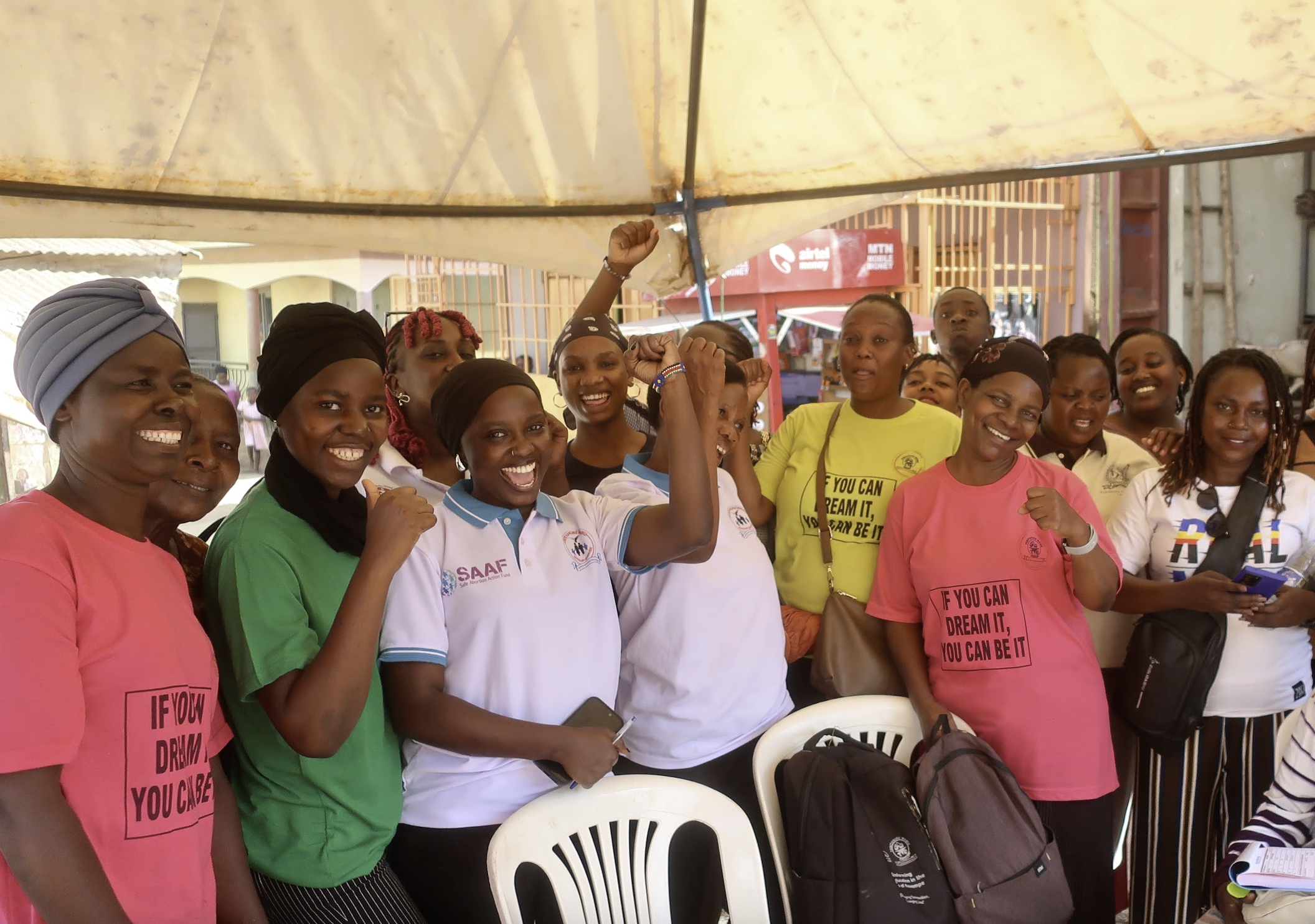
“Girls listen more when it comes from us (their peers) because we’ve lived the same realities.”
Sharon, 17
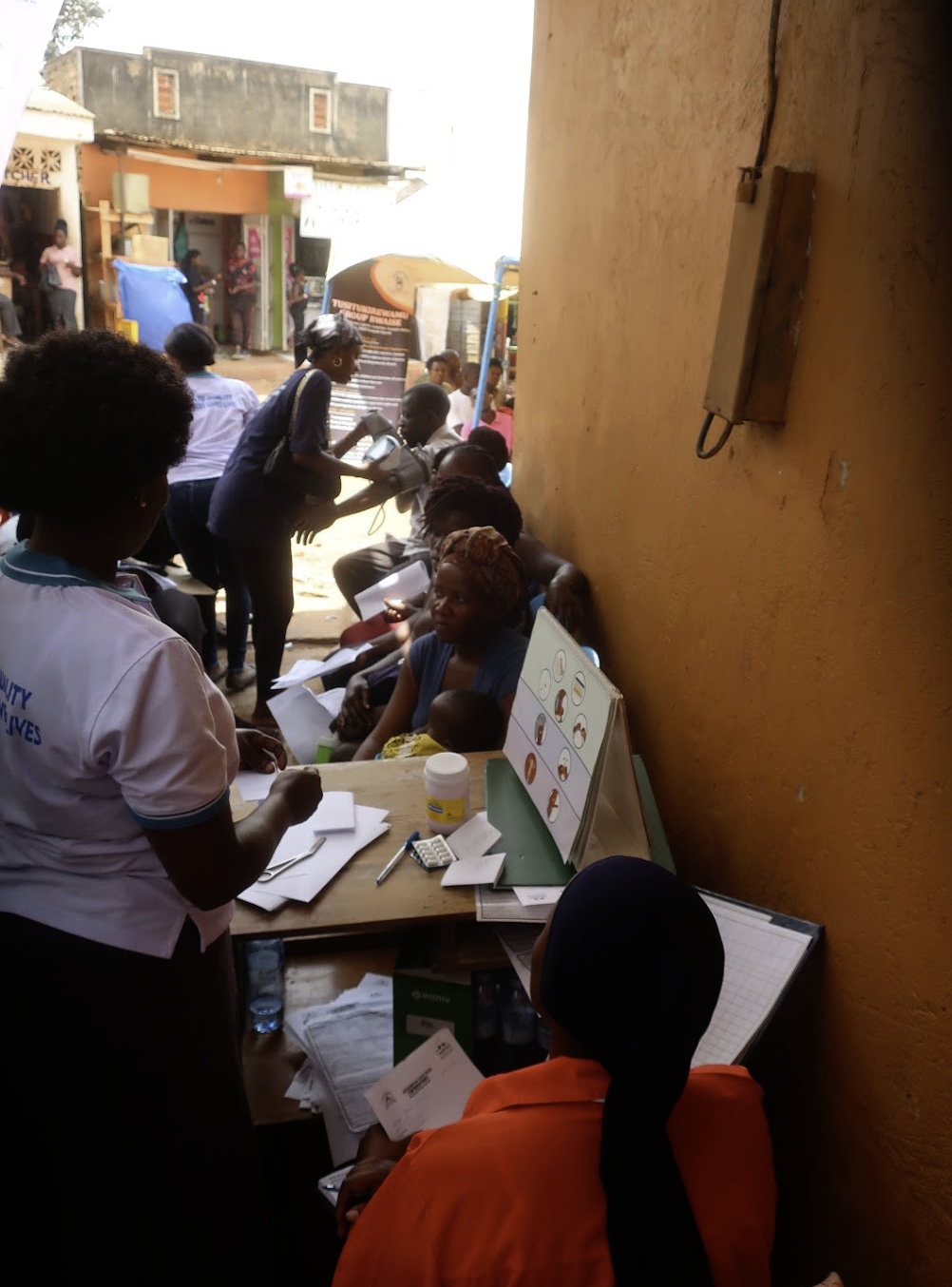
Since January, your support has helped 6,647 young people in Kampala access sexual and reproductive healthcare. Through community outreach and drop-in clinics, young people have received treatment, contraception, information and referrals. You’ve also helped train 24 government health workers in girl-friendly care.
When a friend is the first person you tell
Through HOPE Clubs in schools, girls are learning to listen without judgement, recognise when they or theor friends may be unsafe and know when where to find support. A girl who is worried she might be pregnant or who has experienced violence may feel able to tell a friend before she can speak to an adult. It matters that her friend knows where they can turn.
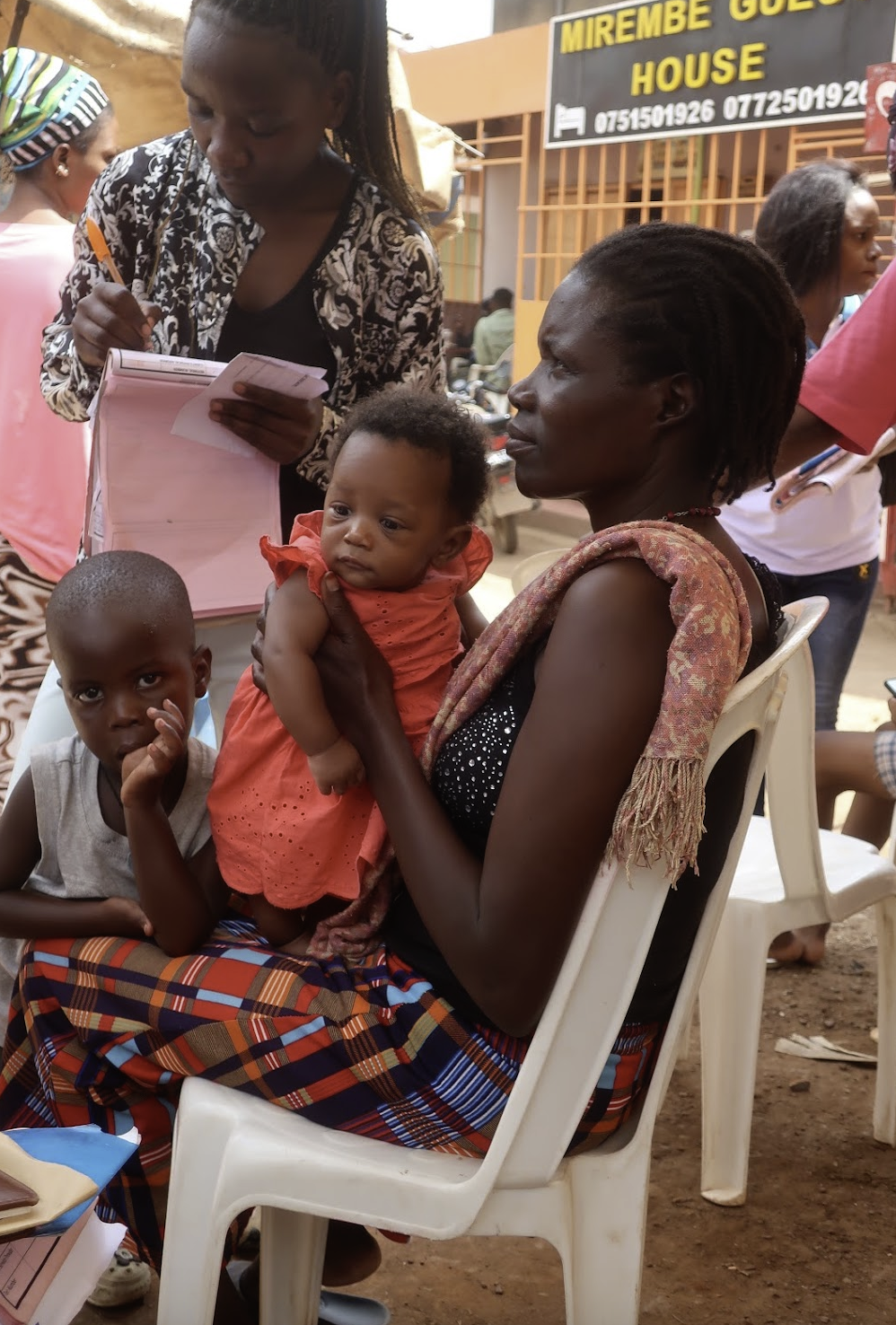
In Kawempe, where Awamu works, young mothers led a survey of girls aged 10 to 19. Of the 107 girls who said they had been pregnant, almost one in three had received no antenatal care. Of the 32 girls who missed out, 21 said they hadn’t known where to go or whom to ask. They missed the chance to raise concerns about their pregnancy and have checks on their own health and their baby’s development. [1]
How a girl is welcomed matters
Of the 75 girls in the Kawempe survey who did receive antenatal care, 32 described rude or judgemental treatment. After giving birth, young mothers also reported long waits and difficulty finding transport for follow-up care. These statistics were even higher amongst the girls we consulted for our own situation analysis.
For a girl who has experienced sexual violence, asking for help can mean telling someone what happened before she knows whether she’ll be believed. In research with displaced young people in Kampala, one young woman described the expectation that survivors should prove they had been raped. “How do you prove?” she asked. [2]
This is why Awamu supports training and mentoring for health workers. A girl needs privacy to explain why she’s come, time to ask questions and a clear explanation of the care available to her. Girls’ feedback helps us understand how they were treated and whether they felt able to ask what was on their minds.
What girls lose when youth services are cut
At Kawaala Community Health Centre in Kampala, US funding cuts meant fewer staff were available to run a dedicated HIV clinic for young people. A peer supporter described how young people had to join the general HIV treatment clinic alongside adults. They waited longer and felt more exposed. For a girl worried about who might recognise her, that can make it harder to go back.
Thank you for helping girls get care they can trust. Your support brings health workers into communities and helps girls find advice, treatment and referrals when they need them. It also backs girls like Sharon, so that when a friend asks for help, she has someone beside her who listens and knows where to turn.
Thank you to the Randal Foundation, the Conservation, Food & Health Foundation, the Peter Stebbings Memorial Charity and the L’Oréal Fund for Women for helping to make this vital, life-saving work possible.
References
Kakuru, D. and colleagues, including Kawempe Youth and Iganga Youth (2024). Motherhood in Adolescence, Voices from the Margins. Centering Marginal Voices Project, University of Victoria. The Kawempe survey records girls’ access to care during and after pregnancy and their reasons for missing care. onlineacademiccommunity.uvic.ca